
Northern California is experiencing more than a post-pandemic relocation of luxury retail. The region now presents distinct investment conditions: San Francisco’s Union Square is rebuilding retail demand as select assets trade at reset valuations, while established shopping centers across Silicon Valley concentrate luxury brands near affluent households. Carmel-by-the-Sea introduces a different economic model, supported by local purchasing power and destination visitation.
The strategic issue is how brands and landlords translate each market’s demand characteristics into durable returns. A prominent address may preserve brand visibility, and concentrated wealth may support luxury co-tenancy; neither condition alone establishes store-level profitability. The analysis therefore examines observed transactions, leasing indicators, tenant composition, and operating implications, separating public evidence from strategic interpretation.
This is the second chapter from our 6-Chapter research series titled: The Structural Realignment of Luxury Retail & Commercial Real Estate. The structure of this series is as follows: Preface, Foreword, Prologue, Chapters 1-6 and Epilogue.
If you're just joining us, you can start by reading the Preface of the series below:
 Robert Gutierrez Jr.
Union Square: Legacy Prestige Meets a Market Reset
For decades, Union Square established itself as Northern California’s primary luxury district by concentrating department stores and luxury retailers. During the 1990s and early 2000s, the corridor achieved extraordinary brand density and served as a testing ground for global flagship development. Louis Vuitton's operational scale during this era exemplifies the market's historical depth. The French house maintained a highly aggressive spatial strategy, operating three distinct retail footprints within a tight geographic radius—one standalone flagship operating concurrently with two leased shops inside premier department stores.
This concentration of high-end consumption extended to exclusive heritage brands entering the United States. Before Goyard expanded nationally, the Parisian trunk maker chose San Francisco for one of its first standalone American storefronts. Until 2015, this was the only standalone Goyard boutique in America. Goyard’s continued investment illustrates the persistence of that positioning: in November 2024, the leather-goods house agreed to extend its Grant Avenue presence into the adjoining former Montblanc space, expanding the footprint of its San Francisco boutique (Barreira, 2024). These commitments suggest the district still offers value to brands seeking visibility in a historic luxury corridor.
Beyond its concentration of luxury storefronts, Union Square's historical significance was reinforced by its ability to attract international clientele while cultivating long-term relationships with high-value local customers. In a brief interview for this report, Janet Walzer, former Area Director at Louis Vuitton and a member of the Luxury Retail Market community, reflected on the district's earlier growth and the strategic importance of the San Francisco flagship.
"During my tenure with Louis Vuitton as Area Director, San Francisco was on a remarkable growth trajectory from 2004-2010 fueled by international travelers and the development of top tier local VICs. The 233 Geary Street flagship was elevated to a Maison, only the second designated in the Americas. That distinction mattered enormously. Maison status shaped where we presented our most exceptional, limited pieces and hosted our most important client events, including the America's Cup."
—Janet Walzer, luxury retail executive & former Louis Vuitton Director
Interview conducted for this report, Oct. 2026.
Connect with Janet Walzer on LinkedIn
Her account provides an important operational perspective on Union Square's historical position within the luxury retail ecosystem. The Maison designation reflected the market's significance within Louis Vuitton's global retail network, supporting differentiated product allocation and elevated client engagement. This relationship between geographic positioning and retail execution offers important context for evaluating the district's subsequent market adjustments and future recovery potential.
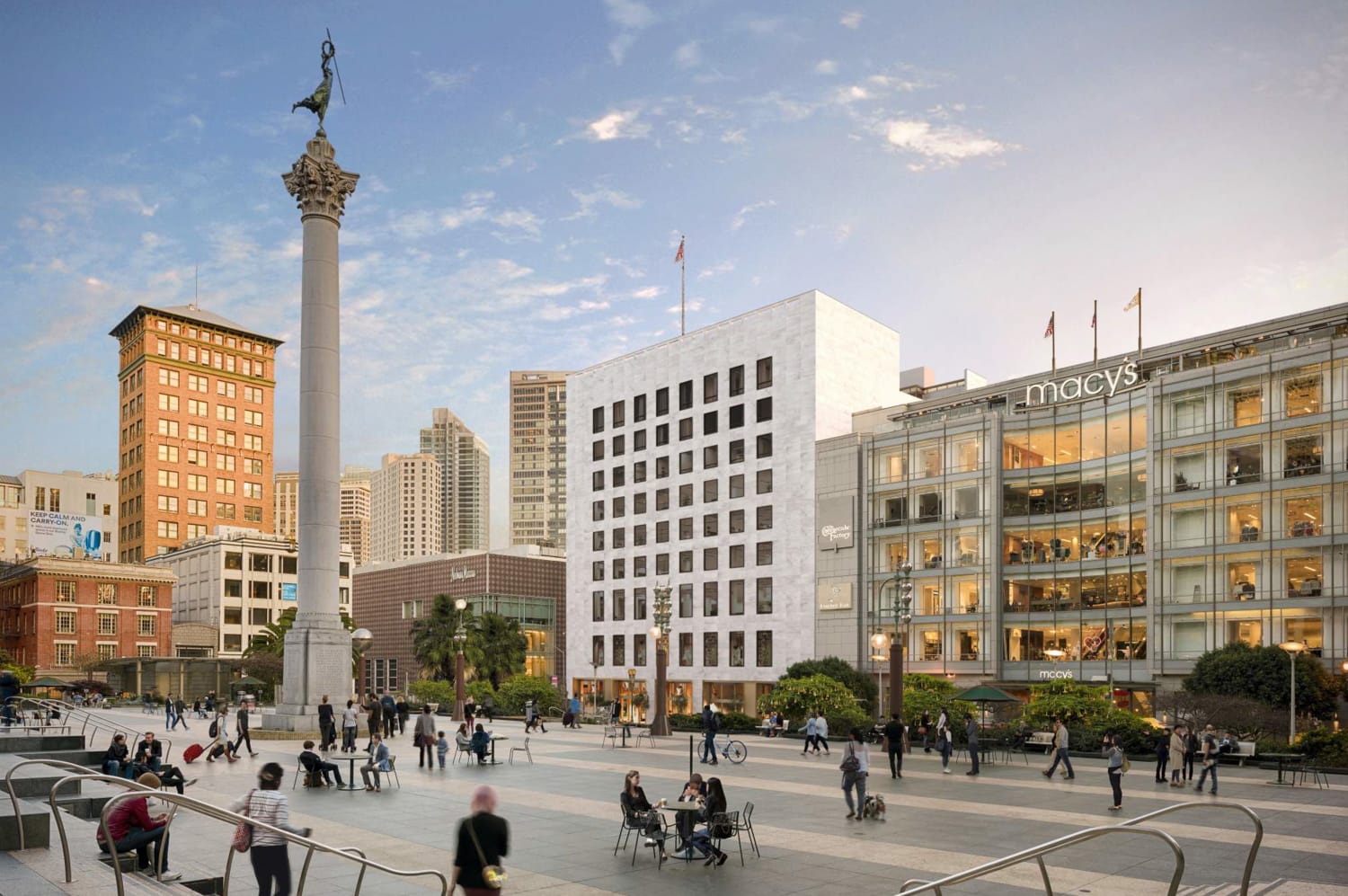
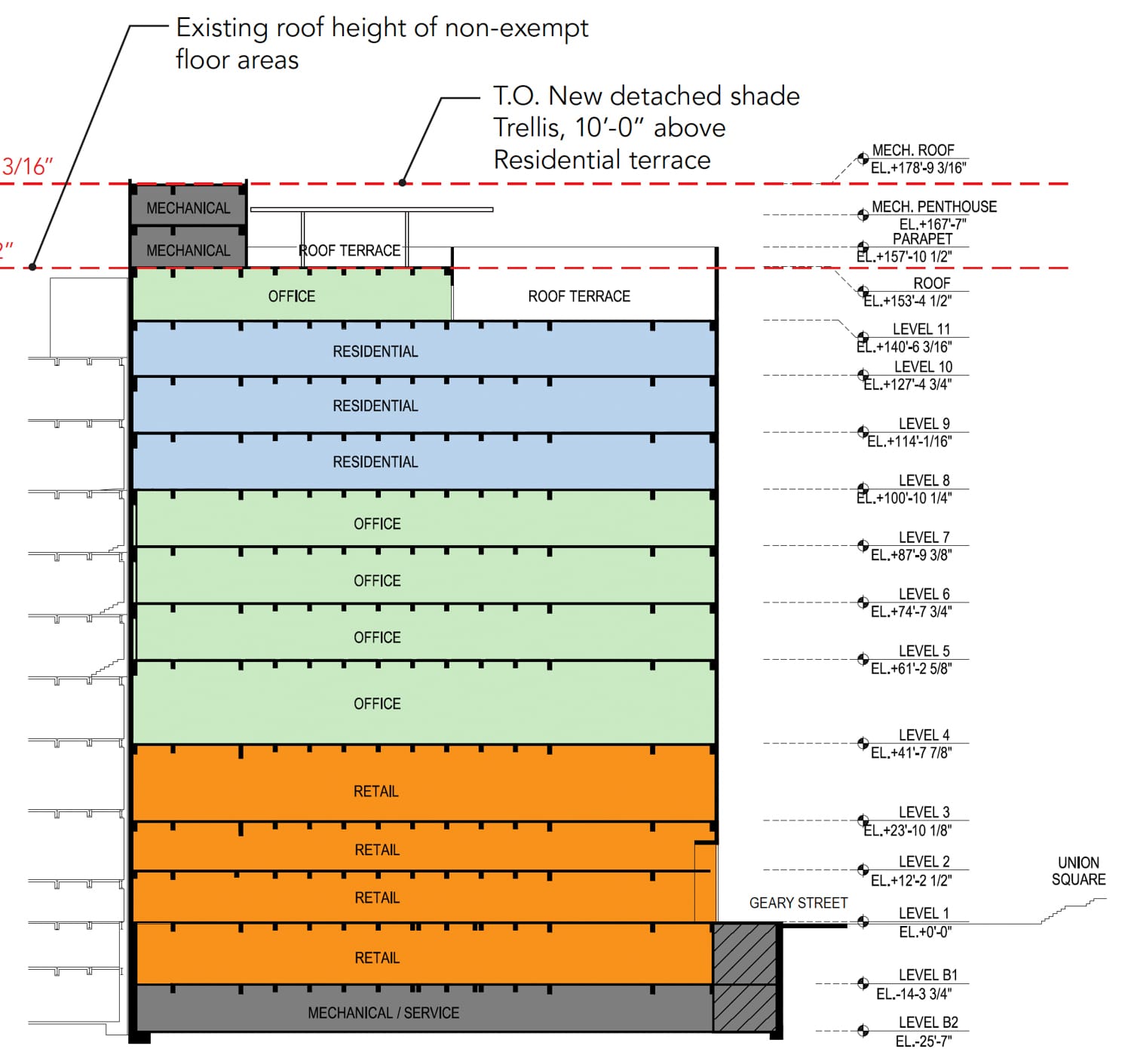
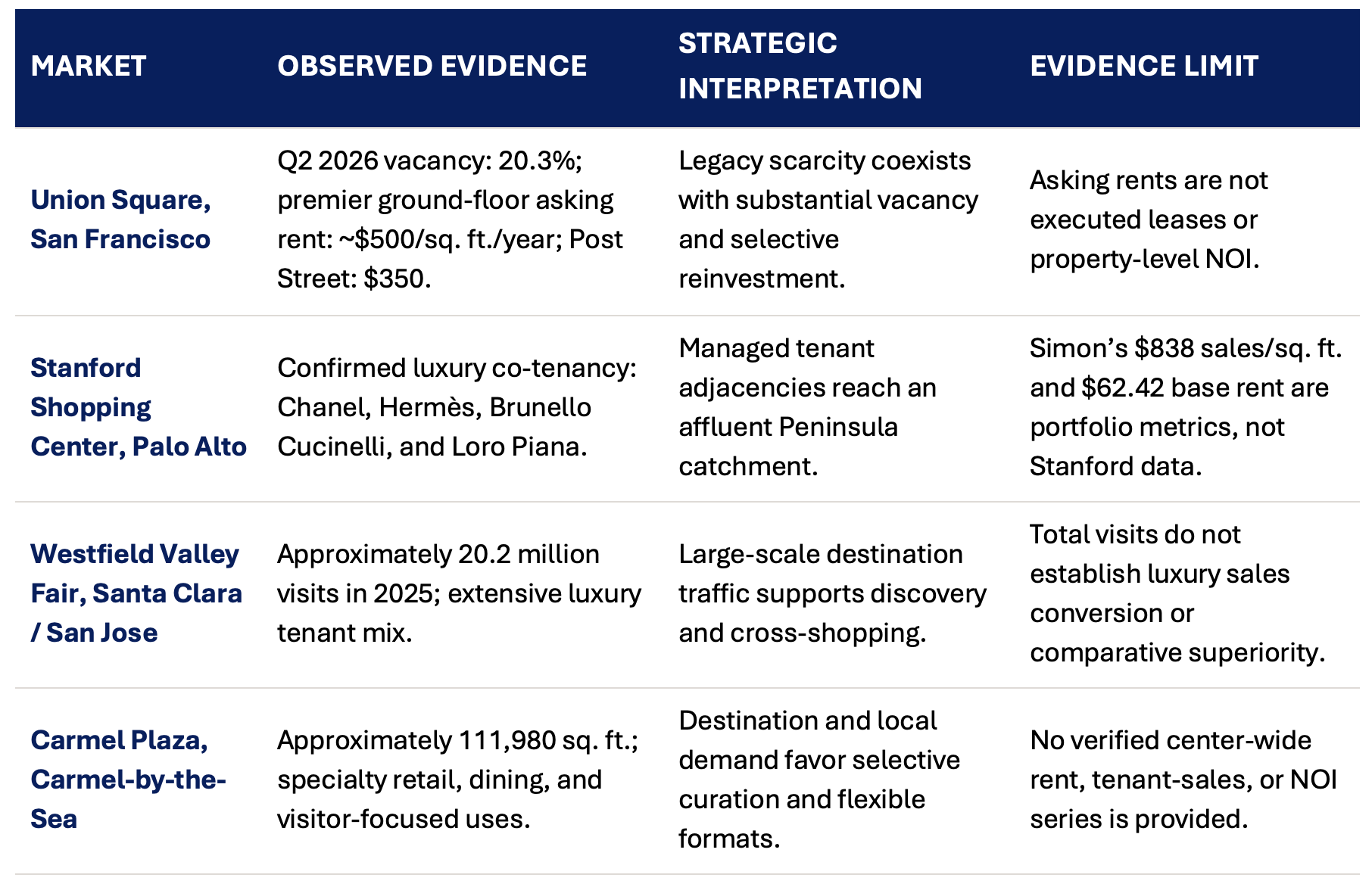
The commercial environment has nevertheless changed materially. Remote work, changing downtown visitation patterns, and tenant closures altered the daytime economy after 2020. The most recent comparable leasing data suggest a recovery that remains uneven. Cushman & Wakefield (2026) reported Union Square overall retail vacancy of 20.3% in the second quarter of 2026, compared with 20.9% one year earlier. Premier ground-floor asking rents remained at approximately $500 per square foot annually; Post Street asking rents reached $350. The former Saks Fifth Avenue space returned to the market during the quarter, illustrating the continued sensitivity of the district to major-tenant decisions.
Foot traffic provides a more encouraging, though narrower, signal. The district recorded approximately 3.48 million visits in the second quarter of 2026, an increase of 4.0% year-over-year (Cushman & Wakefield, 2026). Civic programs are also addressing the visible effects of vacancy. The Vacant to Vibrant initiative connects small businesses with temporary downtown storefronts, with some participants subsequently obtaining longer-term leases (SF New Deal, 2025). These interventions can improve street-level activity, but attributing premium asking rents directly to the program would require a separate evaluation of leasing outcomes and comparable locations.
The resulting market is best understood as selective recovery. Prime sites continue to command a premium, while the district’s overall vacancy rate signals meaningful absorption and repositioning risk. For luxury brands, that distinction matters more than a generalized narrative of urban decline or resurgence.
Asset Ownership: Strategic Control and Investment Risk
Chanel provides an owner-occupier case. An affiliate acquired the approximately 17,810-square-foot building at 340 Post Street for $63 million in December 2021, a transaction publicly reported in January 2022 (Barreira, 2022). Ownership provides greater control over the physical environment and reduces exposure to future lease-renewal negotiations. It also creates exposure to capital costs, property operations, and the opportunity cost of deploying funds into a fixed asset. Private investors have approached the same district with a different return model.
Private Capital and the Repricing of Union Square
An emerging dimension of San Francisco's commercial real estate recovery is the growing participation of private investors seeking long-term value through distressed asset acquisitions.
Project Uris
Ian Jacobs, an investor associated with the Reichmann real estate family and former investment researcher for Warren Buffett's Berkshire Hathaway. Through Project Uris, an investment initiative developed with Max Raskin, Jacobs has pursued a countercyclical acquisition strategy targeting properties across downtown San Francisco. Established in 2024 with an initial reported investment pool of approximately $75 million, the initiative has articulated a longer-term ambition of acquiring up to three million square feet of commercial real estate (Neely, 2026).
Jacobs' strategy similarly reflects an expectation that periods of urban dislocation can create opportunities to acquire well-located assets below their longer-term economic potential. However, realizing these returns depends on a sustained recovery in leasing demand, tenant productivity, and neighborhood conditions.However, realizing these returns depends on a sustained recovery in leasing demand, tenant productivity, and neighborhood conditions.
The acquisition strategy became visible in April 2025 when a Project Uris affiliate purchased the approximately 8,200-square-foot Art Deco building at 200–216 Powell Street for $7.4 million. The property subsequently secured a retail lease with Pop Mart, illustrating the potential to reposition formerly underutilized storefronts through new tenant demand. During the second quarter of 2025, another affiliated entity, 35 Powell LLC, acquired the approximately 17,000-square-foot building at 35–41 Powell Street for a reported $7.5 million, according to Cushman & Wakefield (2025). The concentration of acquisitions along Powell Street suggests an investment strategy extending beyond individual buildings toward the broader repositioning of a commercial corridor.

The portfolio continued expanding in May 2026 with the acquisition of 118–124 Maiden Lane for more than $3.1 million. The approximately 4,135-square-foot property was purchased through 120 Maiden LLC, an entity associated with Raskin, and houses photography retailer Camera West (TRD Staff, 2026). A September 2026 report subsequently identified two additional Project Uris properties at 71 Powell Street and 233 Grant Avenue, alongside two further buildings reportedly under contract. However, individual transaction values and ownership records for these additional properties were not independently established in the available reporting (New York Post, 2026).
Other transactions that have also been associated with Jacobs or related entities:
- A ~21,400-square-foot commercial building at 111 Ellis Street was reported to be entering escrow in mid-2025.
- Subsequent reporting attributed a $7.8M acquisition to Jacobs, although an earlier account noted that a new ownership deed had not yet appeared in public records. Consequently, the transaction remains a reported affiliation requiring further verification
(D'Onfro, 2025; Neely, 2026; TRD Staff, 2026).
A particularly significant transaction occurred in July 2026, when Silver Gate Property II LLC acquired the approximately 39,000-square-foot property at 180 Post Street from Grosvenor Americas for $48.5 million, equivalent to roughly $1,244 per square foot. The four-story commercial building is anchored by a long-term lease with LVMH-owned jeweler Bulgari. According to The Real Deal, a source familiar with the transaction identified the acquiring entity as affiliated with Jacobs (Neely, 2026). The acquisition represents a different investment profile from the smaller Powell Street properties, offering exposure to an established luxury tenant rather than primarily depending on repositioning vacant retail space.
Moran Capital
A partnership associated with Dallas-based investor Douglas MacMahon bought the former Burberry property at 225 Post Street for approximately $17.4 million in 2024 (Landes, 2024). The British fashion house purchased the 40,000-square-foot building in 2001 for $16.6 million. In 2025, another MacMahon-led ownership group acquired distressed debt associated with One Union Square at 200–212 Stockton Street for $42.5 million; that transaction should be distinguished from a conventional fee-simple property acquisition (D’Onfro, 2025). In February 2026, an affiliate bought the Gucci-anchored building at 240 Stockton Street for $44 million, approximately 45% below its reported $80 million purchase price in 2016 (The Real Deal, 2026). The transactions involved different partnership structures and should not all be attributed directly to Moran Capital.
The relationship between asset repricing and the recovery of the surrounding retail ecosystem.
Project Uris and Moran Capital illustrate how independent capital can participate in repositioning commercial corridors as established and emerging retailers reassess market opportunities. The initiative has also been identified among private-sector supporters of Powell Street's planned public-realm improvements, reinforcing the interdependence between individual property performance and neighborhood revitalization (Waxmann, 2026).
Nevertheless, acquisition activity alone is insufficient evidence of a sustained market recovery. These cases reveal two related but distinct strategies. Chanel can evaluate property control alongside brand investment and the future use of its flagship. A third-party investor must principally underwrite future leasing income, capital expenditure, vacancy exposure, and the terminal value of the building. A lower acquisition price can improve the investment basis without guaranteeing an attractive return. Similarly, eliminating external rent from a brand’s reported operating expenses does not eliminate the economic cost of occupying owned real estate. Lease-versus-own analysis should therefore use comparable, risk-adjusted cash flows rather than an EBITDA change in isolation.
Silicon Valley: Proximity to Wealth and the Economics of Co-Tenancy
The Peninsula offers a more predictable geographical link between concentrated household wealth and luxury retail demand. Stanford Shopping Center in Palo Alto places brands such as Chanel, Hermès, Brunello Cucinelli, and Loro Piana within a managed open-air environment, combining established luxury adjacencies with access to Silicon Valley’s residential and professional communities (Simon Property Group, n.d.). This configuration reduces the need for individual maisons to create destination appeal independently; the center can coordinate tenant composition, access, and amenities across the broader customer journey.
A crucial financial distinction is necessary. Simon Property Group (2026) reported $838 in retailer sales per square foot and $62.42 in base minimum rent per square foot for its U.S. malls and premium outlets portfolio in the trailing or reporting period ended June 30, 2026. These are portfolio-wide operating metrics, not Stanford Shopping Center results. The center’s individual sales productivity and leasing economics cannot be inferred from those figures. They provide useful corporate context only when their geographic and reporting scope is explicit.
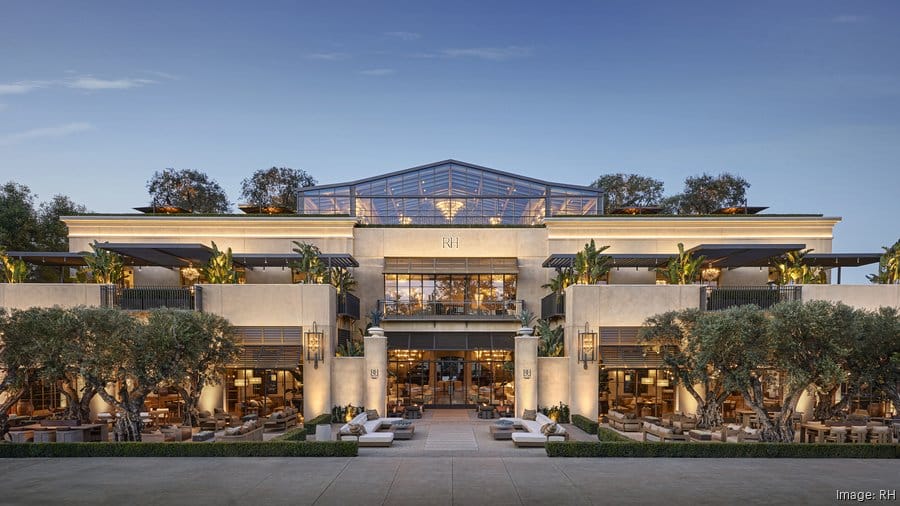
Farther south, Westfield Valley Fair operates near the Santa Clara–San Jose boundary with a different scale proposition. The center registered approximately 20.2 million visits in 2025 and continued adding leases in 2026 (Gonzalez, 2026). Its concentration of luxury retailers includes Gucci, Louis Vuitton, Cartier, and other global houses within an integrated destination (Westfield Valley Fair, n.d.). This operating model supports cross-shopping and repeat regional visits. Still, overall traffic cannot be substituted for luxury-category conversion, average transaction value, or profitability. Claims that Valley Fair has displaced Santana Row would require a consistent comparison of tenant sales, traffic composition, and consumer overlap; the available evidence does not establish that conclusion.
The development of these centers should also be interpreted alongside the continuing relevance of high-street retail. JLL (2025) found that 59% of newly opened U.S. luxury stores from July 2024 to July 2025 were in street-retail locations. Northern California illustrates the coexistence of formats selected for different client segments and market conditions, rather than a uniform migration away from urban streets.
Carmel: A Destination Economy on a Smaller Footprint
Carmel-by-the-Sea extends Northern California’s luxury geography beyond the technology corridor. Carmel Plaza is an approximately 111,980-square-foot lifestyle center that combines specialty retail with dining and wine-focused experiences (CommercialCafe, 2026; Carmel Plaza, n.d.). Its appeal is shaped by affluent local households and visitor spending associated with the Monterey Peninsula. The demand profile is therefore more destination-oriented than the recurring metropolitan catchment of Stanford or Valley Fair.
This distinction has direct implications for retail economics. Smaller stores may be viable when merchandising, service, and appointments are calibrated to visitor occasions and repeat second-home customers. Yet dependence on seasonal travel or discretionary leisure expenditure may increase revenue variability. The original report’s assertion that Carmel generates a stable yield insulated from technology volatility is not established by the available rent and operating data. Property-level occupancy, realized rents, tenant sales, and seasonal variation are needed before such a conclusion is warranted.
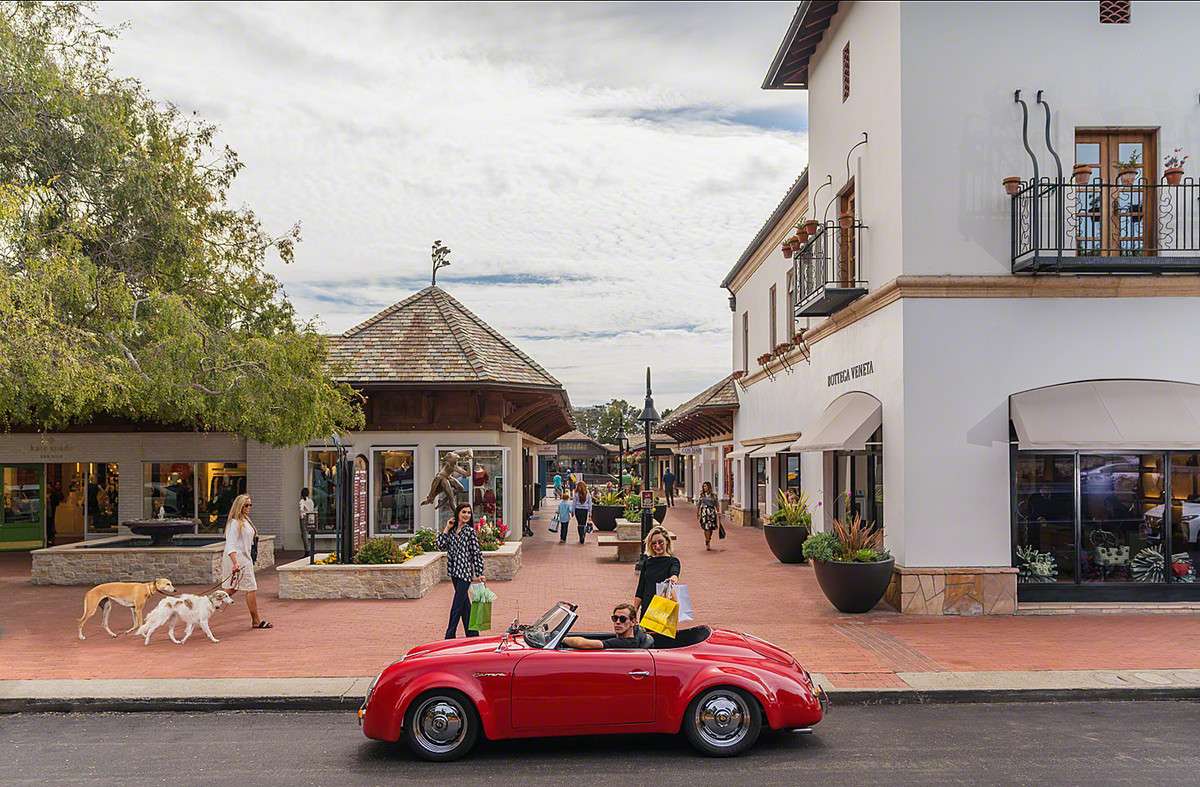
The relationship to the Southern California chapter is instructive. Carmel’s visitor economy shares some demand characteristics with the hospitality-oriented retail described in Montecito, but the formats and surrounding ecosystems differ. The relevant strategic comparison concerns how each location converts occasional visits into sustained client relationships, rather than whether the properties have equivalent rent or yield profiles.
Market Evidence: Comparable Questions, Different Measures
The following evidence matrix replaces the original rent-ranking table. It distinguishes observable indicators from hypotheses about investment performance, avoiding direct comparisons among measures that differ in reporting scope.
Strategic Implications for Retailers, Landlords, and Operators
For luxury groups, acquisition decisions should begin with a market-specific investment case. At Union Square, an owner-occupied flagship may justify a long holding period when scarcity, brand control, and customer access outweigh liquidity constraints. The same company may rationally lease at Stanford or Valley Fair, where access to a curated customer ecosystem could be more valuable than owning an individual parcel. Analysts should compare the net present value of equivalent occupancy scenarios, including financing, capital expenditure, property taxes, and plausible exit values.
For landlords, the next stage of competition will depend on tenant productivity and the quality of the surrounding retail environment. The addition of a prominent luxury name can strengthen co-tenancy, but its economic contribution depends on incremental visits, customer overlap, and sustainable occupancy costs. For local government, successful revitalization should be assessed through durable leases, vacancy reduction, and public-realm conditions, rather than promotional activity alone.
A further operational implication follows from the sector’s shift toward highly curated formats. This differentiation is consistent with luxury retail’s emerging barbell strategy: capital-intensive flagships reinforce broad brand presence, while smaller curated formats emphasize depth of client relationships and private service. Property investment creates the conditions for a differentiated client experience; retail teams determine how those conditions translate into sales and retention. Management capability, specialist staffing, appointment quality, and clienteling discipline are therefore central to the economic performance of expensive retail space. This is especially relevant when comparing a destination center with high visitor volume against a lower-volume boutique designed around long-term client relationships.
Research Agenda and Closing Perspective
Future assessment should test whether Union Square’s improving visitation produces sustained reductions in vacancy and stronger realized net operating income; whether luxury co-tenancy at Peninsula shopping centers leads to higher repeat purchasing rather than traffic growth alone; and how Carmel’s visitor-driven demand affects seasonality, occupancy costs, and risk-adjusted returns. Answering those questions will require property- and store-level data that public disclosures do not consistently provide.
Northern California’s luxury market is consequently best viewed as a portfolio of differentiated opportunities. Urban repricing can reward selective capital commitment, Silicon Valley’s retail centers offer access to concentrated spending capacity, and Carmel supports a smaller destination-led proposition. The strongest strategic position will belong to investors and brands that match their property commitments to the underlying demand model and have the organizational capacity to execute it.
Scope and Evidence
This comparative assessment synthesizes public market reports, corporate disclosures, transaction reporting, and retailer directories available through September 2026. The analysis is observational: the sources establish selected prices, asking rents, and activity levels but cannot determine store-level causal effects or investment returns. Property-specific operating data and consistent longitudinal comparisons would be required to test the proposed relationships.
Join the Conversation
We invite you to engage with this ongoing structural realignment. Which Northern California node do you believe possesses the most resilient long-term yield profile?
Share your insights in the comments below.


