In this special LRM newsletter edition, we spotlight Ashley Itliong, Founder of the Luxury Retailer Association (LRA), global luxury real estate strategist and a contributor here at LRM.
Ashley has over 15 years of experience with top luxury groups and real estate operators, including Kering, LVMH, Simon Property Group, Westfield, and Irvine Company. Most recently, she led Real Estate Market Intelligence & Portfolio Management at Kering Americas, where she analyzed and advised on portfolio strategy, site selection, and market-expansion insights for brands like Gucci, Saint Laurent, Balenciaga, and more.
Ashley started as a Sales Associate and became Team Manager at Louis Vuitton in Los Angeles and Las Vegas. Her career spans expertise in retail operations, brand marketing, global real estate, portfolio optimization, and community-centered placemaking—skills that are relevant to excel in luxury retail.
This year, Ashley co-founded the Luxury Retailer Association—an organization that elevates knowledge sharing, market intelligence, and partnerships. She left Kering at the end of 2025 to focus on establishing her global advisory and growing the LRA community. This interview comes at a pivotal moment, exploring her journey and her vision for LRA.

1. You began your career on the sales floor at Louis Vuitton. How did frontline retail shape your leadership and understanding of luxury?
My time at Louis Vuitton was a masterclass in the 'Human Element' of luxury. It’s where I learned that luxury isn’t just about a product; it’s about the art of the 'selling ceremony'—the ability to romanticize heritage, evoke emotion, and build lasting relationships through clienteling. It provided me with a foundation in soft skills, storytelling, and empathy that no corporate textbook could replace. More importantly, it taught me that leadership is a selfless act. Managing a team on the floor is demanding, but it taught me how to influence and develop diverse personalities toward a shared goal of excellence.
2. What did your transition from Sales Associate to Team Manager teach you about people leadership and client experience at scale?
It taught me that neither leadership nor luxury can be 'one-size-fits-all.' Every direct report and every high-net-worth client requires a bespoke approach. At scale, the challenge is maintaining that level of personalization. I learned that leading by example is the only way to sustain a culture of excellence; if you want your team to treat clients with the utmost care, you must treat your team with that same level of respect and investment.
3. After LV, you shifted into the real estate side of retail—working with Simon, Westfield, and Irvine Company. What sparked that transition?
It was a mix of professional curiosity and a thirst for a new challenge. The pivot actually began with a serendipitous LinkedIn message from Simon Property Group. After a rigorous interview process, I stepped into a newly created role in a top-performing mall, in a dynamic tourist market. I had to learn the language of lease plans and property management on the fly. Being one of the youngest people in a mid-senior role taught me the value of 'informed confidence'—I leaned on the expertise of my senior team while bringing my brand-side perspective to the table. That experience bridged the gap between the retail floor and the corporate asset.
4. Across these major developers, what did you learn about placemaking, customer engagement, and asset positioning in Class-A centers?
Placemaking is the business of 'buying time.' In Class-A centers, we aren't just selling floor space; we are creating a sense of belonging. When an asset is curated with the right merchandising mix and marketed effectively, it increases 'dwell time' and emotional investment. Beyond the aesthetics, I saw the economic ripple effect: developers drive job creation, generate vital tax revenue, and elevate the lifestyle of both residents and tourists. It’s about creating an ecosystem where commerce and community thrive together.
5. You’ve worked across the Americas, the Middle East, and other global markets. How did international experience, particularly your time in Dubai, shape your worldview?
Moving to Dubai was a transformative 'cultural awakening.' It shifted my perspective from a U.S.-centric view to a truly global one. Living in a city where over 200 nationalities coexist forced me to become more aware on international relations, political affairs, and the impact of Western colonization in other parts of the world. Professionally, it taught me the 'work-to-live' philosophy prevalent outside the U.S. While I admire American innovation, my time abroad taught me the value of presence, social ties, and empathy. I realized that the key to any successful business—or life—is the strength of the human connections you build.
6. As the former Real Estate Market Intelligence Manager for the Americas at Kering, what were the most critical insights or decisions your work supported?
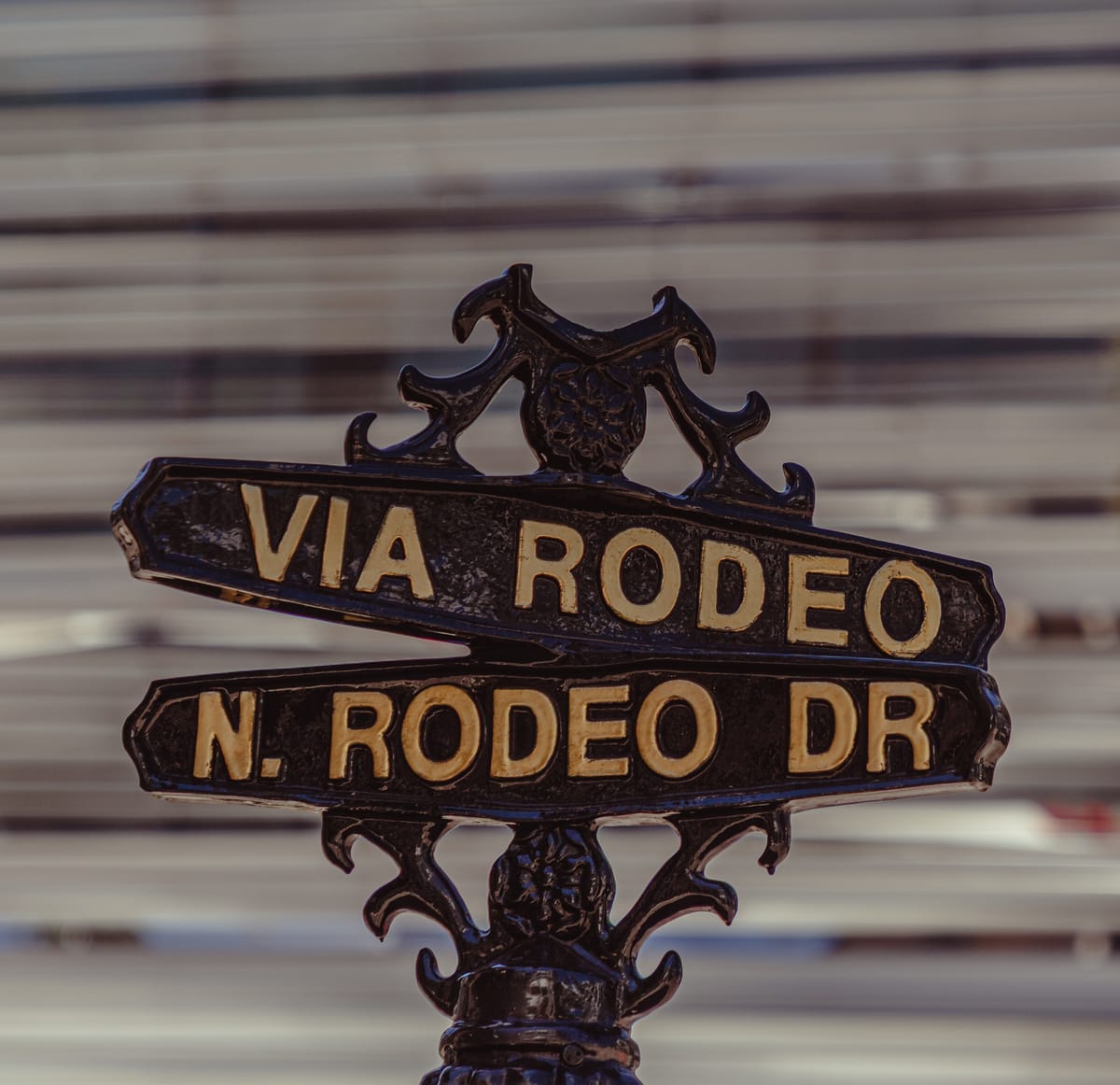
In my second week, I was tasked with drafting an executive memo for our Chairman, François-Henri Pinault, regarding the 'Eclipse' building (715-717 Fifth Avenue). I had to synthesize market data, competitor activity, and leasing scenarios into a high-stakes briefing. That research eventually supported Kering’s acquisition of that iconic corner. Beyond that, my work focused on 'ideal footprint' analysis in emerging markets like Mexico and Brazil, and consolidation strategies in key hubs like Rodeo Drive and San Francisco. It was about using data to de-risk massive capital investments.
7. How do you see the relationship between brand strategy, leasing strategy, and market intelligence evolving in the next decade?
Data is no longer a luxury; it is the engine of brand strategy. In a market transformed by AI and shifting demographics, we must collect data relentlessly—but the real value lies in synthesis. The future belongs to those who can take cold data and turn it into a compelling narrative that supports a brand’s physical and emotional expansion. We are moving from 'intuition-led' to 'intelligence-backed' decision-making.
8. You left Kering last December. What motivated your decision to shift into full-time entrepreneurship?
My decision was driven by a convergence of timing and opportunity. While the move to Miami was initially prompted by my husband’s relocation, it quickly became clear that South Florida represents one of the most compelling luxury growth markets globally. The scale of capital inflows, international migration, and development—from Miami Design District expansions and Bal Harbour Shops’ transformation to branded residences and hospitality projects like Aman—signals a structural shift in the luxury ecosystem. After 15 years across leading luxury houses and real estate developers, I recognized I had a unique 360-degree perspective. Entrepreneurship allows me to apply institutional best practices to help brands and landlords navigate this complex market, while also focusing on what matters most to me: high-impact work and mentoring the next generation of talent.
9. You co-founded the Luxury Retailer Association earlier this year. Why now, and what gap are you aiming to solve in the industry?
I realized there was a void in the industry for true cross-competitor collaboration. At an NYU Stern event, I saw heads of real estate from Kering, LVMH, and Richemont all sharing insights. The energy was infectious. I thought: Why doesn't this forum exist on a permanent basis? The LRA was born to bridge that gap—to create a space where the biggest names in luxury can collaborate on real estate, strategy, and the future of the industry.
10. LRA already has engagement from leaders across luxury real estate and retail. What is your long-term vision for the organization?
My goal is for the LRA to become the premier global authority for the luxury ecosystem—the 'ICSC of Luxury.' I envision a membership that spans beyond fashion into hospitality, private aviation, yachting, sports, wellness, entertainment and art. By bringing these sectors together, we can learn from each other’s service models and collectively elevate what it means to deliver a 'luxury' experience in a changing world.
As a nonprofit organization, we rely on the generosity of our members, industry peers, & luxury clients & enthusiasts. Every contribution—large or small—fuels our mission 💎
11. For emerging leaders—especially those starting on the frontlines like you did—what advice would you give for building a global, cross-functional career in luxury retail?
Stay curious and stay gritty. No career path in luxury is a straight line. Build resilience during the hard times and never lose your 'frontline' perspective—value the people at every level of the organization. Strive for excellence, don’t burn bridges, and remember that while data is powerful, your reputation and your relationships are your most valuable assets.
Ashley’s journey—from frontline retail at Louis Vuitton to global real estate strategy at Kering—reflects the evolving demands of leadership in luxury retail: operational depth, analytical rigor, cross-functional fluency, and a commitment to community impact.
The creation of the Luxury Retailer Association marks a strategic moment for the industry. At a time when market intelligence, customer experience, and real estate transformation are converging, LRA is positioned to become a central resource for brands, developers, and industry practitioners.
To learn more about LRA or to contact Ashely Itliong, click below:
As LRM continues its strategic partnership with LRA, we look forward to co-creating new platforms for insight, research, and industry advancement.
For more on market shifts, including our recent Tiffany & Co. Rodeo Drive expansion analysis in partnership with LRA, click below:
 Robert Gutierrez Jr.